The Eureka Room
The Eureka Room is a one-of-a-kind immersive experience in Austin, TX. Visitors book through an online booking system that shows available dates and handles payment via Stripe.
The site gets steady traffic — about 80 sessions per day — but the owner suspected he was losing potential customers who visited the booking page and left without booking.
AI Analyzes the Data
We started by querying the booking system's analytics database directly. No dashboards, no setup — just a conversation with AI that knows how to read a database.
The AI pulled funnel data and immediately identified where visitors were dropping off:
| Funnel Step | Sessions | Drop-off |
|---|---|---|
| Homepage | 2,026 | — |
| Book page | 661 | 67% leave |
| Slot selected | 63 | 90% drop here |
| Tickets continued | 30 | 52% drop |
| Info submitted | 19 | — |
| Payment submitted | 17 | — |
| Booking confirmed | 16 | — |
AI Identifies the Root Cause
The AI examined the booking page and found the issue: when visitors scroll through the available dates and don't see one that works for them, the page just... ends. No call to action. No way to request a different date. No lead capture. They leave and never come back.
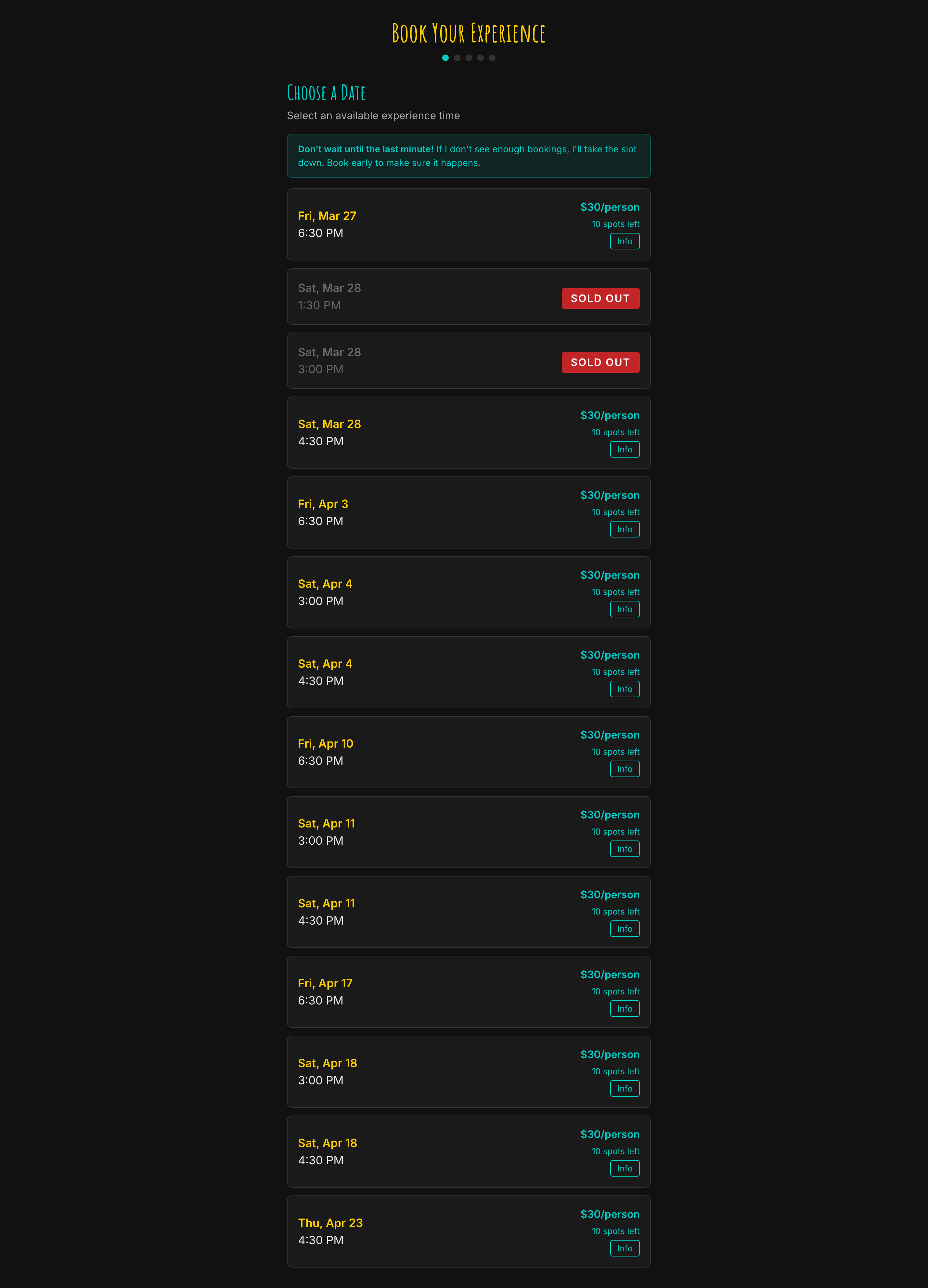
The "Don't see availability?" message existed on the parent website, but it was above the booking widget — visitors scrolling through dates never saw it. And it just linked to another page. Too much friction.
AI Proposes and Builds the Fix
The AI suggested three changes, and we discussed the approach collaboratively:
Sticky Bottom Bar
A persistent "Need a different date?" bar fixed to the bottom of the screen. Always visible, no matter where the visitor is in the slot list.
End-of-List CTA
A "None of these dates work for you?" prompt with a button, placed after the last available slot. Catches visitors who scrolled through everything.
Request a Date Form
A simple popup form: name, email, preferred date, group size. Submissions save to the database and trigger email notifications to both the owner and the visitor.
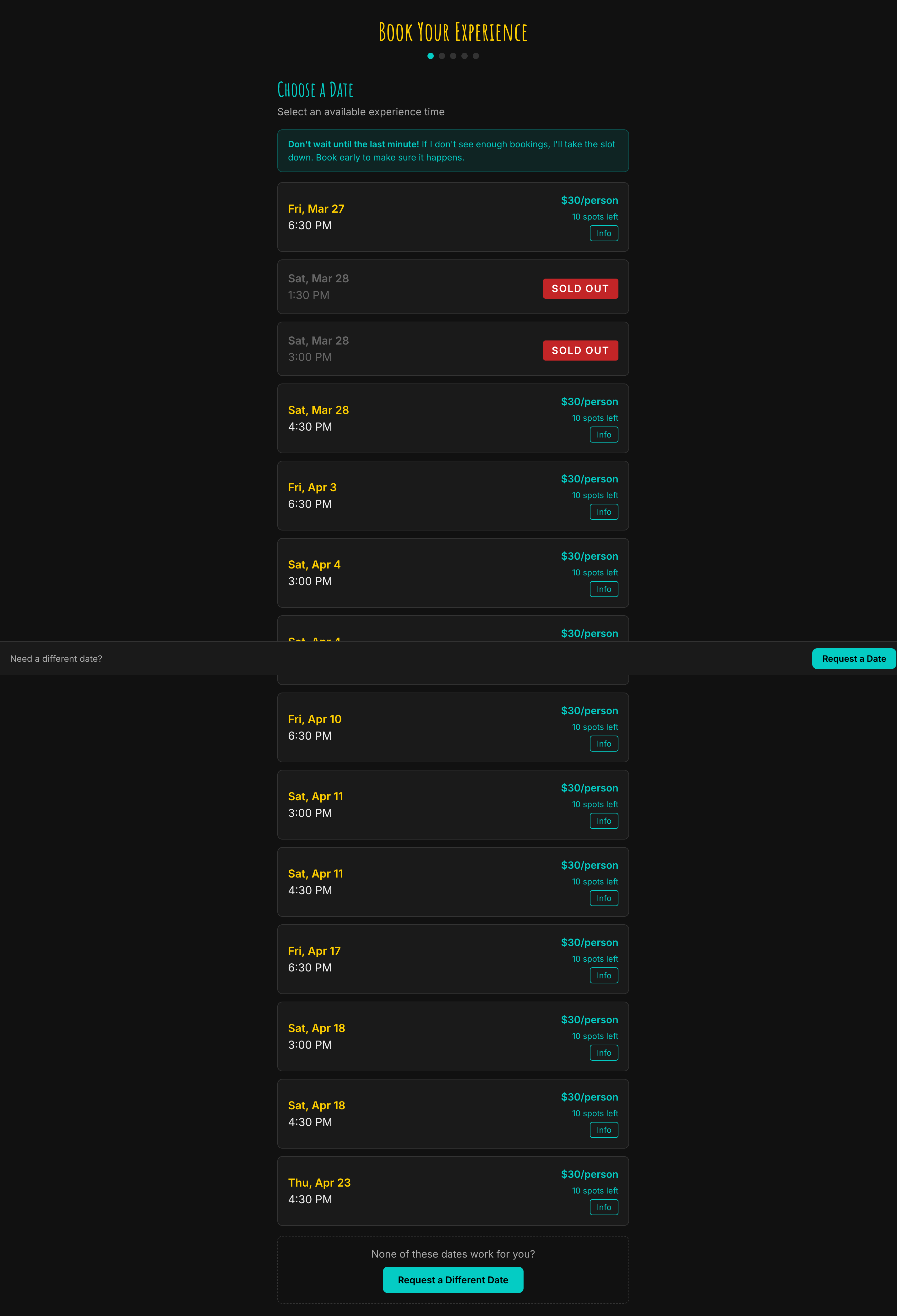
After: Sticky bar + end-of-list CTA
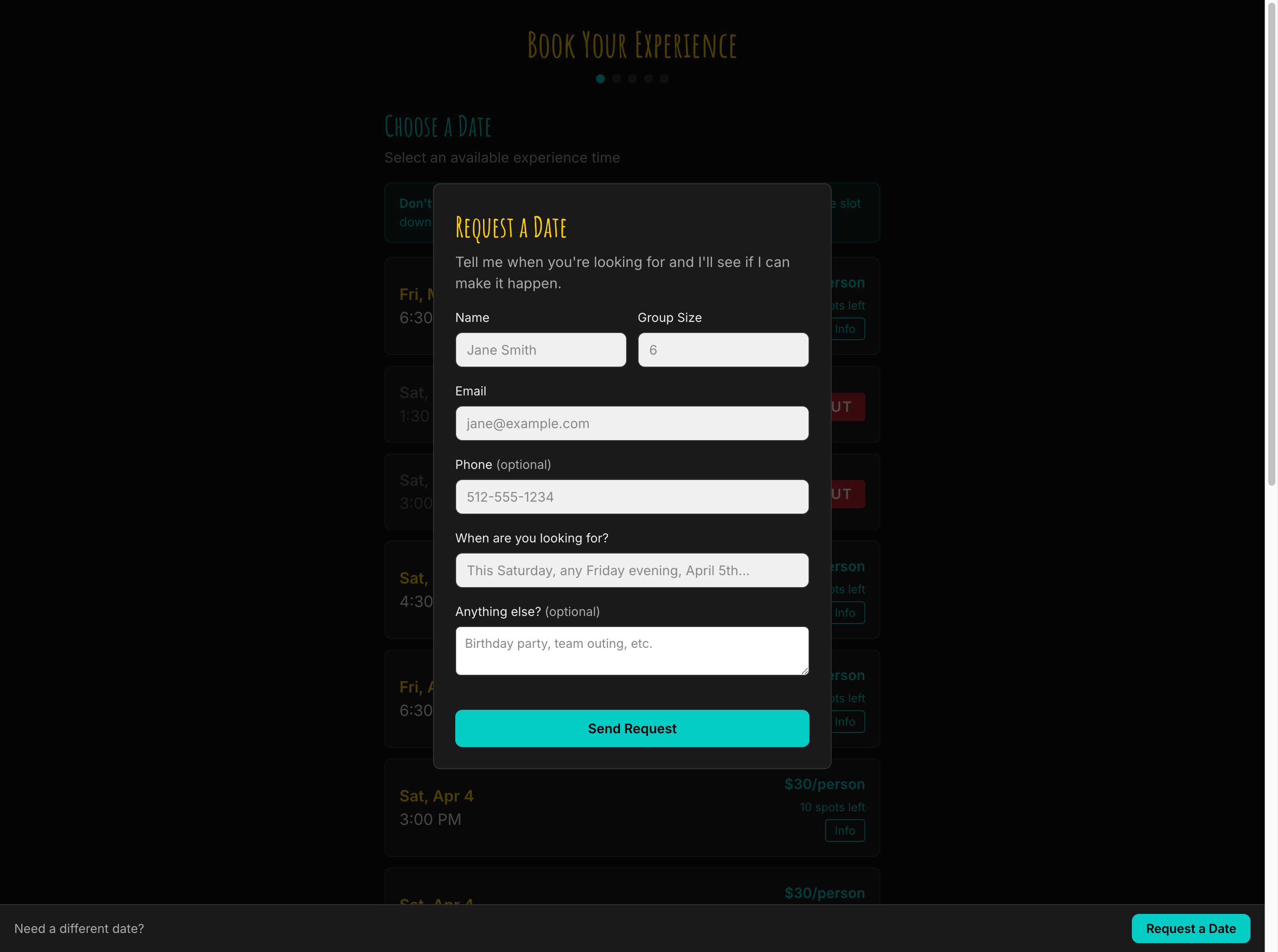
The date request form
What AI Actually Built
This wasn't just a mockup or a recommendation. The AI wrote production code, deployed it, and verified it was working — all in the same session:
Database Migration
Created a new table in the Cloudflare D1 database to store all incoming date requests.
Backend Endpoint
Built a serverless API endpoint that validates form data, saves to the database, and sends two emails — one to the owner, one confirmation to the visitor.
Frontend Components
Added the sticky bar, end-of-list CTA, and modal form — all styled to match the existing dark-themed booking interface. No frameworks, just clean HTML/CSS/JS.
What This Means
Every month, roughly 600 people visit the booking page and leave without selecting a date. Even if just 5% of those visitors fill out the request form, that's 30 new leads per month — people who were interested enough to visit but couldn't find a date that worked.
More importantly, those leads come with contact information, preferred dates, and group sizes. The owner can now proactively create slots that match actual demand instead of guessing.
AI Isn't Just for Big Companies
This is a one-person business running an experience out of a private home in Austin. The booking system was custom-built. The database is serverless. The whole thing runs for a few dollars a month.
AI didn't replace anything — it acted as an analyst who could read the data, a consultant who could identify the problem, and a developer who could fix it. All in one session, at the speed of conversation.
That's what we do at M41 Strategies. We help small businesses find these opportunities and act on them — fast.